NHS: The Family They Never Had
In the sterile corridors of Birmingham Women’s and Children’s NHS Foundation Trust, a young man named James Stokes carries himself with the measured poise of someone who has found his place. His smart shoes move with deliberate precision as he greets colleagues—some by name, others with the universal currency of a “hello there.”
James wears his NHS lanyard not merely as institutional identification but as a symbol of acceptance. It hangs against a well-maintained uniform that gives no indication of the challenging road that led him to this place.
What sets apart James from many of his colleagues is not immediately apparent. His demeanor gives away nothing of the fact that he was among the first participants of the NHS Universal Family Programme—an initiative designed specifically for young people who have been through the care system.
“I found genuine support within the NHS structure,” James reflects, his voice steady but carrying undertones of feeling. His observation encapsulates the essence of a programme that seeks to transform how the enormous healthcare system views care leavers—those frequently marginalized young people aged 16-25 who have graduated out of the care system.
The numbers reveal a challenging reality. Care leavers commonly experience greater psychological challenges, financial instability, shelter insecurities, and diminished educational achievements compared to their contemporaries. Behind these clinical numbers are individual journeys of young people who have traversed a system that, despite genuine attempts, regularly misses the mark in delivering the supportive foundation that forms most young lives.
The NHS Universal Family Programme, established in January 2023 following NHS England’s commitment to the Care Leaver Covenant, embodies a significant change in systemic approach. At its heart, it recognizes that the entire state and civil society should function as a “universal family” for those who haven’t experienced the stability of a conventional home.
A select group of healthcare regions across England have blazed the trail, establishing structures that reconceptualize how the NHS—one of Europe’s largest employers—can open its doors to care leavers.

The Programme is detailed in its approach, initiating with thorough assessments of existing policies, establishing governance structures, and obtaining senior buy-in. It recognizes that successful integration requires more than good intentions—it demands practical measures.
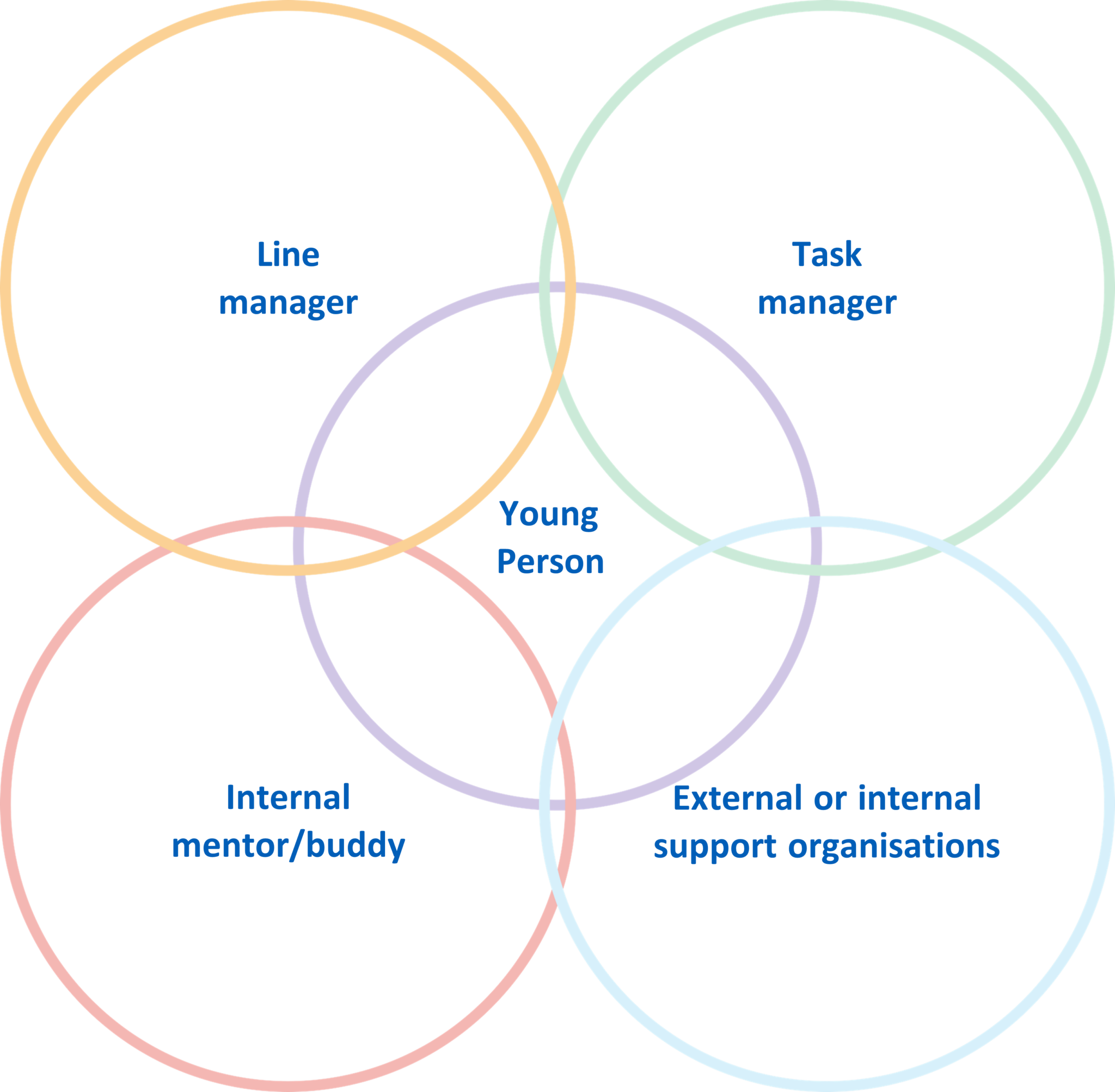
In NHS Birmingham and Solihull ICB, where James found his footing, they’ve created a reliable information exchange with representatives who can provide assistance and counsel on personal welfare, HR matters, recruitment, and inclusivity efforts.
The standard NHS recruitment process—structured and possibly overwhelming—has been thoughtfully adapted. Job advertisements now highlight personal qualities rather than extensive qualifications. Applications have been reconsidered to accommodate the specific obstacles care leavers might encounter—from lacking professional references to struggling with internet access.
Perhaps most significantly, the Programme recognizes that starting a job can pose particular problems for care leavers who may be navigating autonomy without the support of parental assistance. Issues like transportation costs, proper ID, and bank accounts—taken for granted by many—can become significant barriers.
The brilliance of the Programme lies in its attention to detail—from clarifying salary details to providing transportation assistance until that crucial first salary payment. Even apparently small matters like coffee breaks and workplace conduct are deliberately addressed.
For James, whose professional path has “transformed” his life, the Programme offered more than employment. It offered him a perception of inclusion—that ineffable quality that develops when someone feels valued not despite their past but because their unique life experiences enhances the workplace.
“Working for the NHS isn’t just about doctors and nurses,” James observes, his eyes reflecting the subtle satisfaction of someone who has secured his position. “It’s about a collective of different jobs and roles, a team of people who truly matter.”
The NHS Universal Family Programme embodies more than an job scheme. It functions as a powerful statement that organizations can adapt to welcome those who have navigated different paths. In doing so, they not only transform individual lives but improve their services through the distinct viewpoints that care leavers contribute.
As James navigates his workplace, his presence silently testifies that with the right support, care leavers can flourish in environments once considered beyond reach. The embrace that the NHS has offered through this Programme represents not charity but acknowledgment of untapped potential and the fundamental reality that each individual warrants a support system that supports their growth.